
Skip to content
FREE shipping on orders over $200 🇺🇸 + 🇯🇵
Interview

Active In the Outdoors with Kylie Yang

Kylie Yang has built an outdoor life shaped by action, service, and community. From thru-hiking the Appalachian Trail to creating more welcoming access to the outdoors, her work reflects a belief that time spent outside can offer something to everyone.
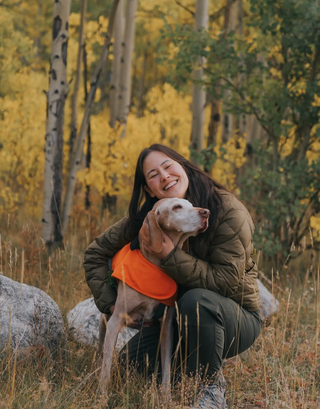
First, when we speak about “creative outdoor people,” we don’t just mean those who make products. We believe building connections, fostering community, and creating meaningful impact in people’s lives can be one of the most honest forms of creativity. This is where Kylie's creative practice lies.

Kylie's work has spanned trail organizations, public lands advocacy, and outdoor programming across Colorado, while also leading grassroots efforts like Outdoor Asian Colorado and Denver Outdoor Gear Distro.

What stands out most in Kylie’s story is the way she connects personal experience with a broader purpose. Whether guiding first-time hikers, expanding access to gear, or speaking openly about representation in outdoor spaces, her approach is practical, generous, and rooted in action.

We spoke with Kylie about trail life, community building, the lessons of hiking with her dog Sullivan, and what a truly equitable outdoors could look like.

Hey Kylie, can you tell us a bit about yourself, and what your work in the outdoors looks like?

I grew up in Southeastern Virginia, where I visited Shenandoah National Park and developed a deep love for the outdoors. I started long-distance running in 2010, and realized I wanted to push myself a little further, and decided to hike the Appalachian Trail in 2015. My thru hike was transformational, and I knew I wanted a full-time career in the outdoors. Upon completing my hike, I worked as an Appalachian Trail Ridgerunner, fostering a strong passion for helping others experience the outdoors, and fostering connections between trail users, and local communities. I moved to New York in 2020 (bad timing, I know) to work for the New York-New Jersey Trail Conference. I knew that I eventually wanted to move to the Mountain West, and a year later, took a job as Field Programs Manager for the Continental Divide Trail Coalition, where I worked with volunteers and land managers- coordinating and leading trail work projects, and community stewardship events. My current job as Programs Coordinator for Great Outdoors Colorado allows me to provide support for parks, trails, and open spaces across all 64 counties in Colorado.

Outside of my 9-5 job, I run Outdoor Asian Colorado, and Denver Outdoor Gear Distro— a gear distribution hub that helps further remove barriers to outdoor access by connecting people from historically marginalized communities with outdoor gear.

You grew up near Shenandoah National Park. Can you remember a specific moment growing up when you realized the outdoors was going to be so central to your life?
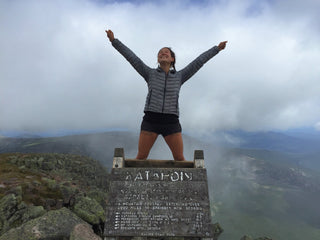
This is so hard- I spent a large portion of my childhood being outdoors, but never considered myself to be outdoorsy until my AT thru hike. I was out hiking with a friend at McAfee Knob in Virginia in the summer of 2013, and was taking a break when two northbound Appalachian Trail thru hikers started talking to us. They explained what they were doing, how long it took, the logistics of getting food and doing laundry, where they slept, and the absolute joy they were experiencing. That moment sparked my interest in thru hiking, and ultimately led me to both a life and career outdoors.

You thru-hiked the Appalachian Trail in 2015. What surprised you most about that experience — about the trail, about long-distance hiking, or about yourself?

I think the one thing that surprised me the most was how natural long-distance hiking felt! There is something so beautiful about feeling truly connected to nature- and I think that connection was only possible because I was able to let my normal day to day concerns fade away. Focusing on where I’m getting water from and where I’m sleeping next allowed me to have a level of mental freedom and joy that I haven’t felt since, but have continued to chase.

After your thru-hike you returned to the AT as a ridgerunner, providing guidance for responsible use of the trail. What did that role teach you about how people relate to nature and to one another on the trail?

Ridgerunning was truly one of the most fulfilling jobs I’ve ever had. I’m an eternal optimist, and try to always see the best in people, but a lot of that role was centered around seeking out people that were doing the wrong thing- and educating them. One of my key learnings was about the Authority of the Resource Technique (look it up!), and how to approach people in a way that is human, and demonstrate how one’s actions have a direct impact on nature and the environment, instead of just writing a ticket. I spent two full summers having conversations with both thru hikers, and the larger trail community about: fire camping, trash removal, being considerate, and so many other topics, and largely only had positive interactions. While I definitely got yelled at; 99 times of out 100 the people I talked to were receptive, wanted to learn, and ultimately came away with a deeper understanding and love for their natural world.

Your career has consistently centred on access and equity; from the Continental Divide Trail Coalition to REI to Great Outdoors Colorado. What made this feel not just important but urgent?

Because of my unique positionality, I understand the importance of access. I’ve always wanted to engage with work that gives others the same opportunities that I’ve had to experience the outdoors, and understand that our systems historically haven’t been set up to feel accessible, safe, or welcoming. I place huge importance on people feeling comfortable- both mentally and physically, engaging in outdoor activities, and have tried to utilize my own understanding of certain barriers that individuals might have that keep them from those experiences. Many of the experiences I’ve had in both my outdoor career and personal life highlighted failings in our existing systems, and pushed me to want to address those issues now. I’m a firm believer that change comes from action, and that we need to support each other and our communities now more than ever.

As an organizer for Outdoor Asian Colorado, what specific barriers do you see for Asian Americans in outdoor spaces, and what does genuine inclusion actually look like on the ground?
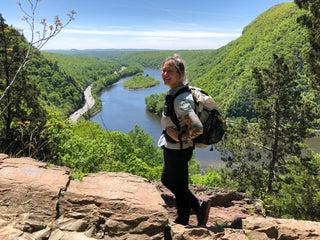
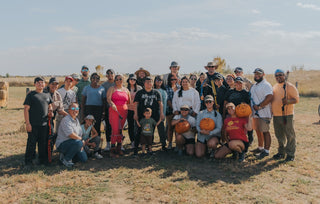
One of the biggest barriers I’ve seen has to do with lack of representation, and people not seeing other people that look like them in the outdoors. Inclusion looks like overcoming stereotypes and biases that keep people from exploring the outdoors, encouraging curiosity and interest, and helping people feel comfortable and safe being themselves in those spaces. Taking the risk to do new things, and facilitating collaboration and community between individuals with diverse backgrounds, and providing them with the resources and knowledge to do so. We as a community need to help people understand that they belong outdoors, and have a place here. During my time as an organizer for Outdoor Asian Colorado, I’ve gotten to lead hikes, backpacking trips, and climb nights. I’ve watched our participants develop confidence, skills, and friends. They open up and feel as though they can be themselves because they feel safe, and bond on a deeper level over shared identities and experiences, and spaces like this are critical.

You also lead monthly hikes for community organisations. What do you witness in people when they get outside together — what shifts?

Getting to lead monthly hikes has been one of the most rewarding things I’ve done outdoors. I often get to meet people that are not only new to Colorado, but new to hiking, and am constantly in awe of these people. It takes a lot of courage to show up to an unfamiliar place, with unfamiliar people, and an unfamiliar activity. I’ve led, or helped lead, several activities over the past few years that have helped introduce others to the outdoors, and watching them go from hesitant and nervous to confident is nothing short of amazing. For me, there is truly nothing better than hearing “I can’t wait to do this again” from someone who’s just finished their first hike, backpacking trip, or cross country skiing outing. I’ve seen so many friendships (and romantic relationships) form, so many camping partners found, and have watched parents feeling confident and empowered enough to start camping. I helped lead a Community Campout last summer, and had a family of four that had never camped before join us. We taught them how to set up tents, sleep systems, and how to find places to camp. A few months later, I got a text and photo from one of the parents of that family after they had finished their first solo camping trip! Everyone was beaming in the photo she sent, and she raved about how many amazing memories they made. Being witness to newfound outdoor joy, confidence, and excitement about getting outside is incredible and fulfilling.

You've built a platform that bridges community advocacy and brand collaboration. How do you decide which partnerships are worth your endorsement — and what does a brand need to demonstrate before you'll put your name behind it?
When I think about collaborations, I think about brands that are able to show a commitment to understanding the importance of representing different groups of people and making them feel included and seen. Great outdoor brands, and brands that I love working with, are brands that have impact beyond profit and brand identity. I look for products that I actually find to be helpful, and have often sought out collaborations with companies that have products I have already used and love. I understand the weight of endorsing products and brands and building trust with the public, and want to support gear that will help people have a great experience outdoors!

Your dog Sullivan was your trail companion for many years. What did hiking alongside him teach you, and how did his presence shape your relationship with the outdoors?

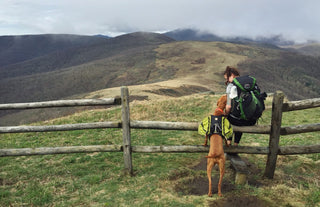
This question made me emotional- because there’s truly nothing that compares to the time I spent on trail with him. Sullivan and I spent all 14.5 years of his life hiking, camping, and running together- and many of my most formative outdoor experiences were with him. Hiking with a dog, specifically long-distance hiking, taught me so much about patience, non-verbal communication, and flexibility. For most of my life I’ve been a planner, and previously (also sometimes now still) had a hard time relinquishing control, or pivoting when the need arose. When hiking with Sullivan, I was constantly doing check-ins, making sure he was ok, and editing my plans to meet his needs- all of which I was happy to do. As a woman of color who often hikes alone, having Sullivan pushed me to try new things- hike on harder terrain, camp alone, and helped me feel a sense of safety that I wouldn’t have otherwise had.

Finally, what does a truly equitable outdoors look like to you — and what's the most important thing that still needs to change?
While I think about this all the time, I struggled with this question because it’s so meaningful to me. An equitable outdoors means that everyone who would like to utilize outdoor spaces understands that they have a place there. This looks like expanding access to include and encourage traditionally marginalized groups to engage with the outdoors, and giving them the resources, opportunities, and knowledge to do so. I often think about communities that don’t have easy access to green spaces, and people who might not even know what getting outdoors looks like for them, or feel as though that is unattainable. This looks like prioritizing funding not only for building those spaces for people, but including outreach that shows people that getting outside isn’t just running, biking, or hiking, but can be sitting in a park reading a book or talking to a friend, and helping them take that first step outdoors.

We're so thankful to Kylie for sharing her story with us, and as gear nerds, we loved that Kylie was excited to share a few of her favorite items at the moment — what she's always taking with her on the trail.

As a HIkerkind Athlete, Kylie has several favorites from the female hiker focused brand:

  1. 8 pocket skort in Garnet
  2. Front Field Jacket in Madrone
  3. Front Field Shorts in Madrone (to match of course)
  4. Ribbed Merino T-Shirt in Rowan

Some favorite items of carry:

  1. Palante Packs, Turtle Pack in Glacier Ultraweave
  2. PLATFORM Packs Sandal Book, exclusive color-way from Sanpo Studios

To keep up with Kylie's active lifestyle be sure to follow her on Instagram!

Published

Interview

Jonathan Rahmani

Photos

Kylie Yang
SANPO SHOP

Products with purpose

Shop items we use from brands we love, along with a few creations of our own. Quantities are limited.